

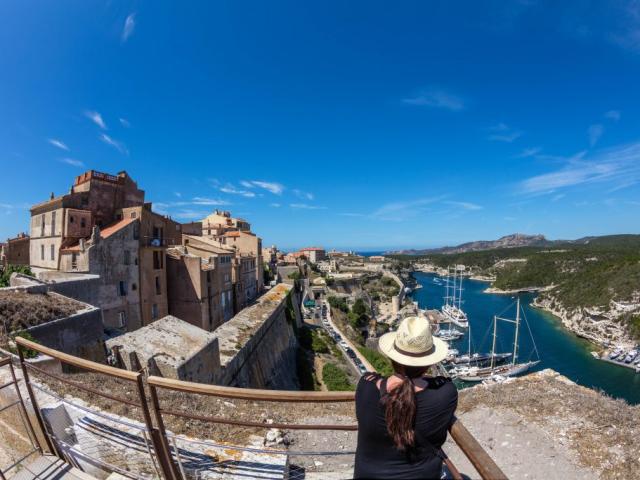
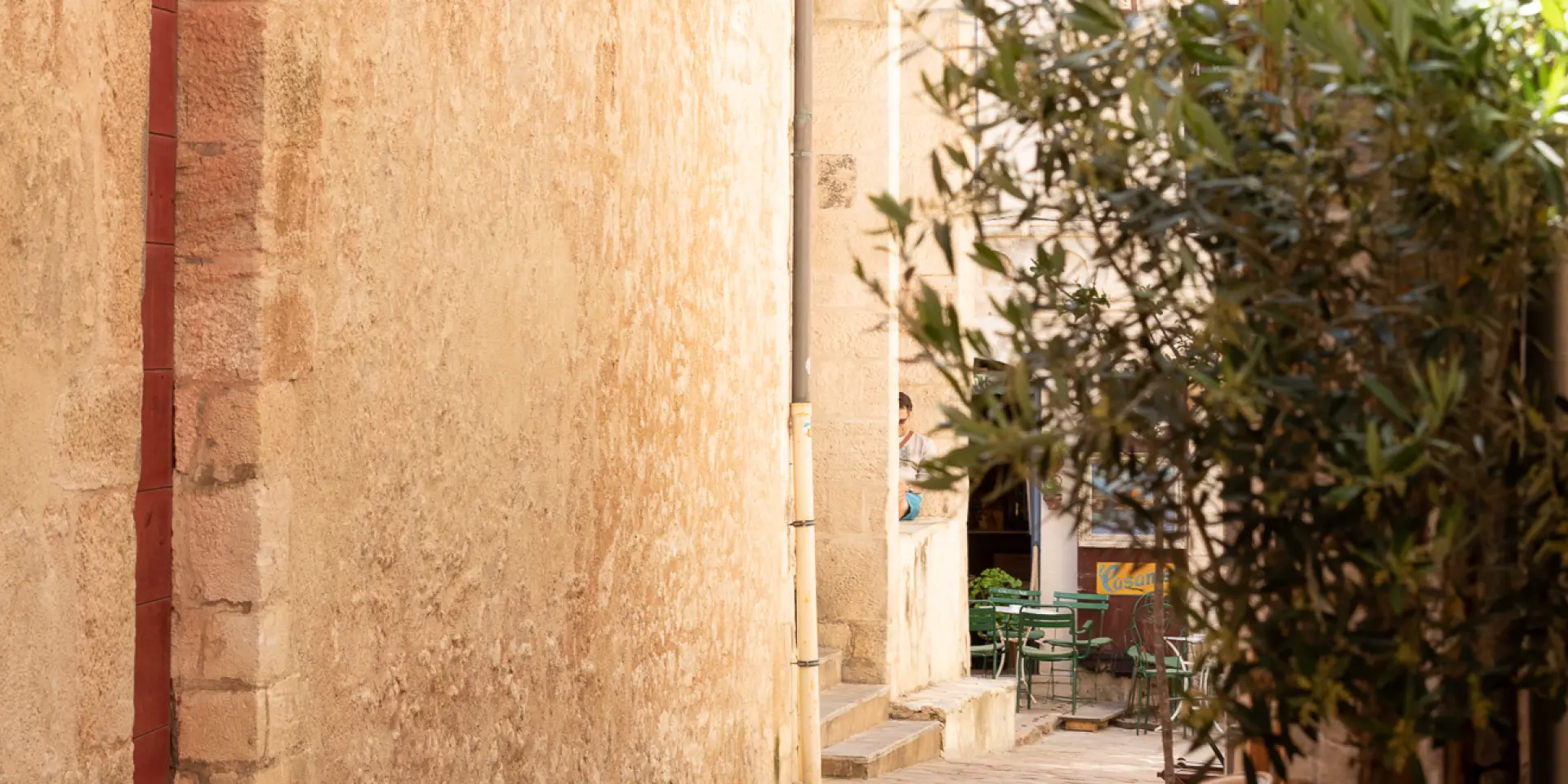
Medieval Citadel Alley Stroll Bonifacio
|
A region to explore, understand and experience
Natural heritage
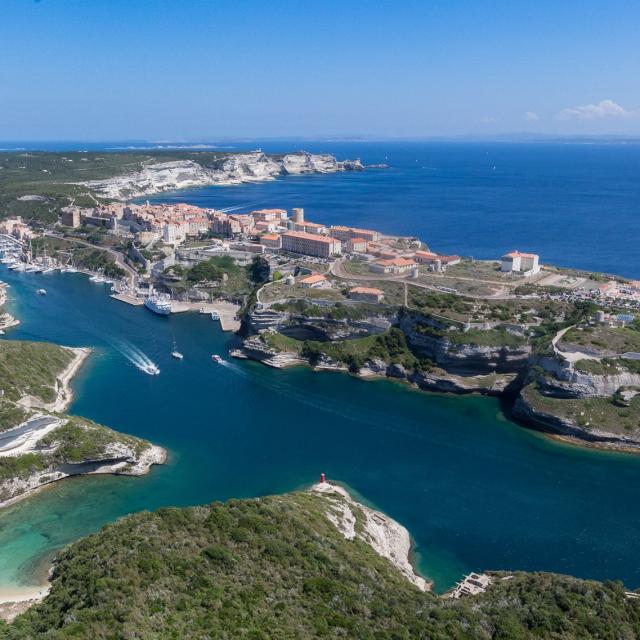
Of the eight main types of landscape found in Corsica, five are present in the Bonifacio area.
This diversity is also reflected in its geology, where limestone and granite formations shape some of the municipality’s most iconic landscapes.
This variety of landscapes is matched by remarkable biodiversity. To preserve this natural wealth, many land and marine areas now benefit from specific protection and management schemes.

Picto Corail
Did you know?
*The designation of a wetland under the Ramsar Convention constitutes international recognition of its value and of the measures taken to ensure its sustainable management.
A remarkable variety of plants198 notable plant species have been recorded in the municipality,
198 notable plant species have been recorded in the municipality,
79 of which are protected.

Bonifacio Flowers





Urban heritage
Ever since the island was first settled, Bonifacio has occupied a strategic position at the heart of cultural, social and commercial exchanges in the Mediterranean. Over the centuries, this unique situation has profoundly shaped the town, its architecture and its defences.
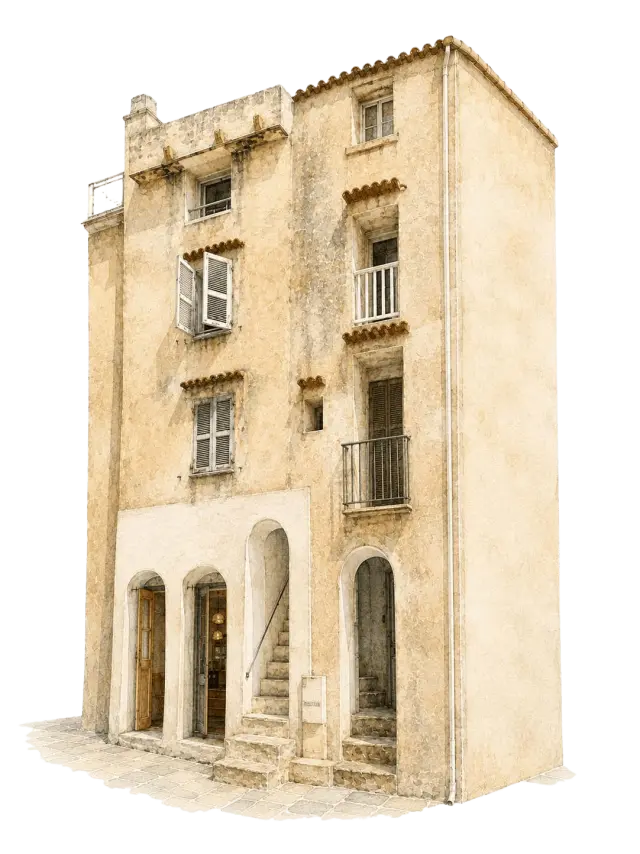
Bonifacien Building, 2 Bonifacio
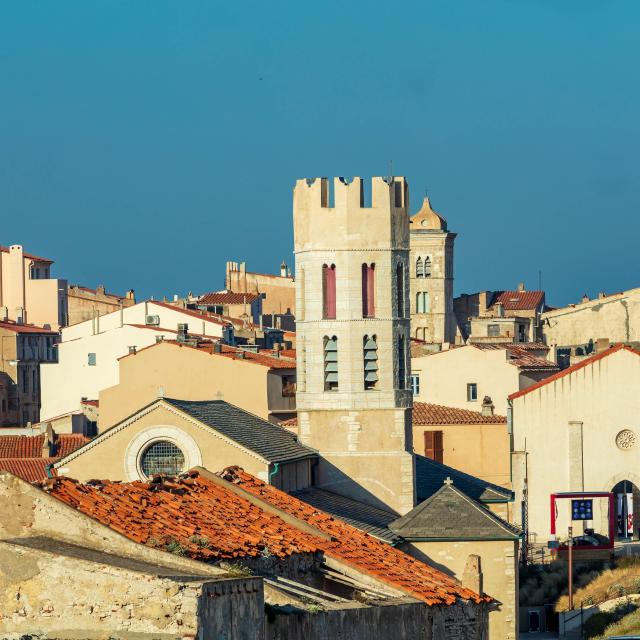
As you stroll through the Upper Town, you can admire the medieval architecture characteristic of the Genoese and Ligurians. The façades also feature a blend of more modern architectural styles, typical of the Mediterranean.
As you continue your stroll through Bonifacio’s narrow streets, you can see the rainwater drainage system, consisting of gutters and channels, which used to direct water to the town’s historic cisterns.
Water at the heart of architecture
In the narrow streets of the Upper Town, certain features still bear witness to the ingenuity once employed to manage an essential resource: water. Gutters and canals were used to collect rainwater and channel it to the town’s historic cisterns.
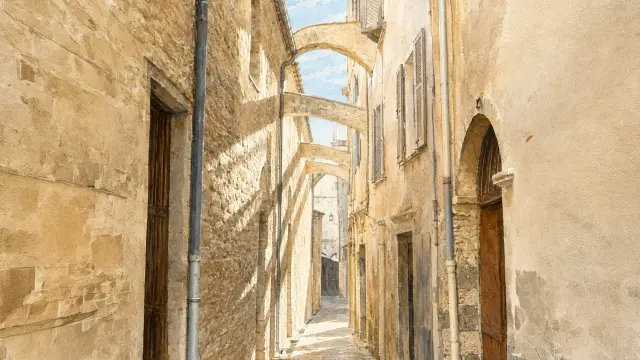
Gutters and Rainwater Management in Bonifacio
Military architecture
Listed as a historic monument, the fortified walls of Bonifacio bear witness to several centuries of evolution in military architecture.
From the Middle Ages to the early 20th century, the fortifications were gradually adapted to changes in artillery technology.
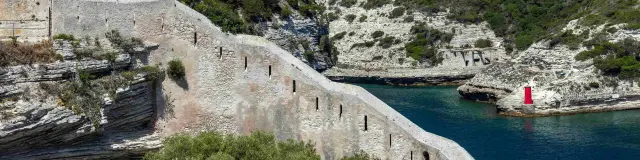
Remparts Chemin Ronde Mer Haute Ville Bonifacio
1195
First known mention of the ramparts.
↓
13th century
A new phase in the development of the fortifications.
↓
15th century
Adaptation of the defences following the siege of Aragon.
↓
Modernisation continued until 1903.
The 700-metre-long walls, perched 70metres high on a limestone peninsula, have watched over the town and its sailors for eight centuries.
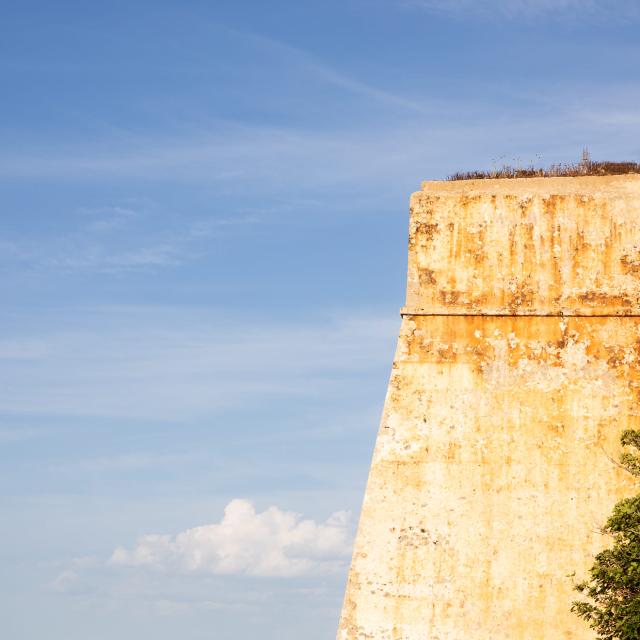
The Bastion de l’Étendard, a testament to Bonifacio’s military history
A major landmark of the town, the Bastion de l’Étendard is one of the iconic features of Genoese military architecture and Bonifacio’s identity.
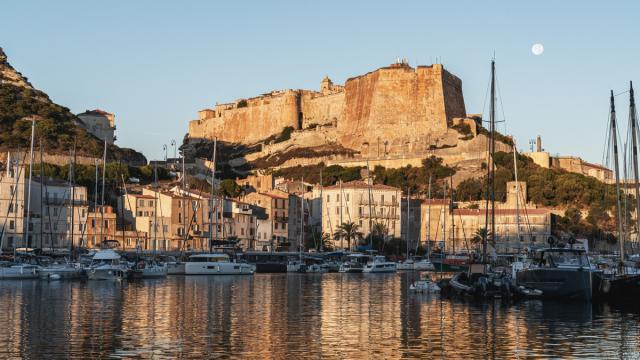
Bonifacio
|